
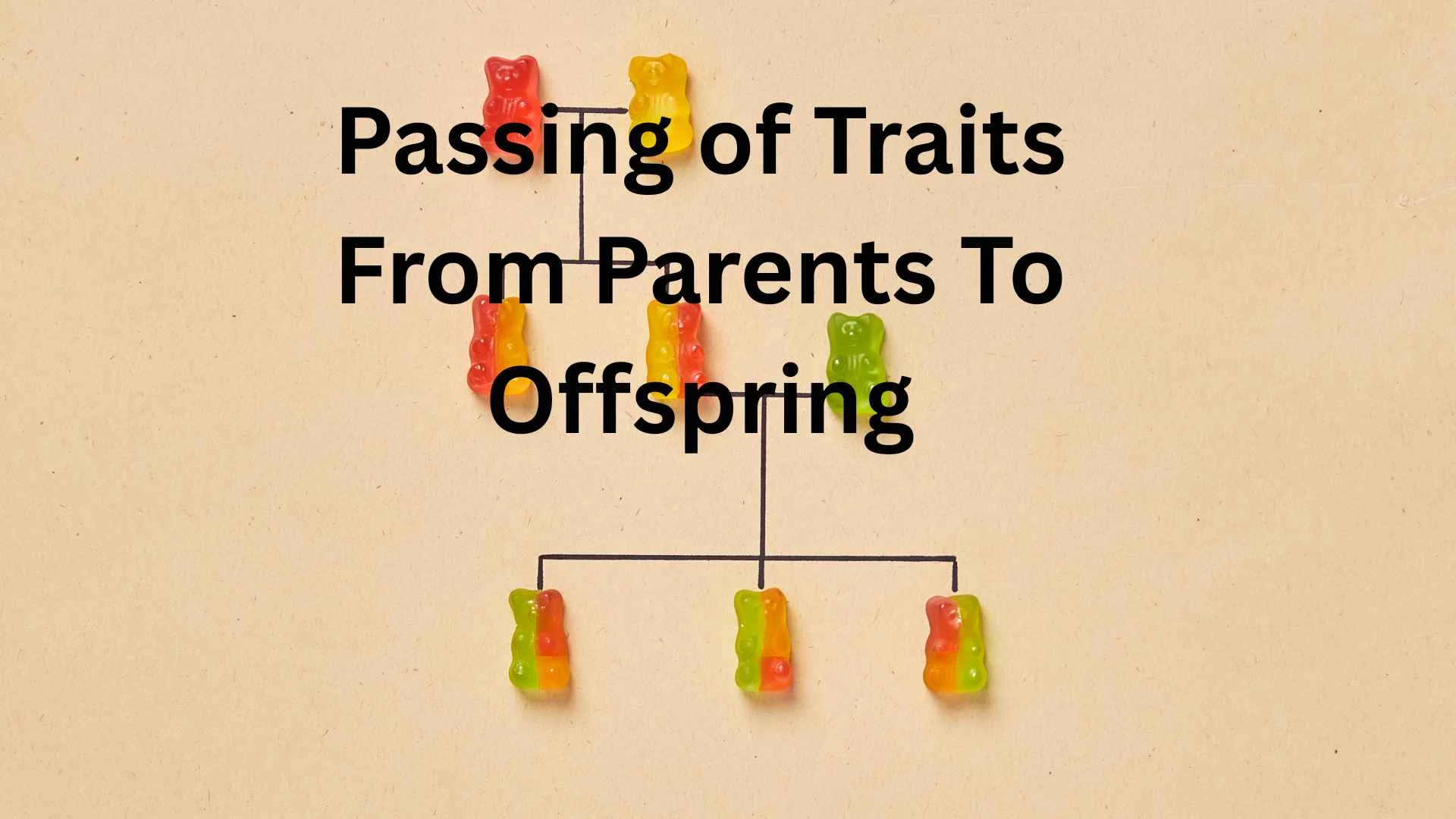
The passing of traits from parents to offspring is the biological process through which living organisms inherit characteristics from their parents. These inherited traits are controlled mainly by genes, which are segments of DNA passed from one generation to the next. Traits can include physical features such as eye color, height, and hair type, as well as certain biological characteristics and tendencies.
Understanding how traits are inherited helps explain why children resemble their parents while still having unique differences. From family resemblance to genetic variation in populations, inheritance is a foundation of biology that connects genetics, evolution, reproduction, and human development.
In this guide, you will learn how inherited traits work, the role of DNA and genes, dominant and recessive traits, genetic variation, examples of inherited characteristics, common misconceptions, and how scientists study heredity.
Passing of Traits From Parents to Offspring: (Quick Answer)
The passing of traits from parents to offspring is called heredity or genetic inheritance. It occurs when parents transfer genetic information through DNA to their children. Genes, located on chromosomes, contain instructions that influence inherited characteristics such as physical appearance, biological functions, and some behavioral tendencies.
Parents contribute genetic material through reproductive cells: the mother provides an egg cell and the father provides a sperm cell. The combination of these genetic materials creates offspring with a unique set of inherited traits.
Trait Overview Table
| Trait Category | Description | Example |
| Physical Traits | Visible characteristics influenced by genes | Eye color, hair texture, height |
| Biological Traits | Internal body characteristics | Blood type, enzyme production |
| Genetic Traits | Characteristics controlled by specific genes | Cystic fibrosis, hemophilia |
| Behavioral Tendencies | Some inherited influences on behavior | Temperament differences |
| Adaptation Traits | Features that help survival | Fur thickness in animals |
| Polygenic Traits | Traits controlled by multiple genes | Skin color, body height |
Understanding the Meaning of Heredity and Genetic Inheritance
What Does Heredity Mean?
Heredity refers to the transmission of genetic information from parents to their offspring. Every living organism receives genetic instructions from previous generations, allowing species to maintain important characteristics while also developing differences.
For example, a child may inherit their parent’s natural hair texture or a dog’s coat color may resemble its ancestors. These similarities occur because genetic information is passed through DNA.
Heredity explains:
- Why family members often share physical features
- Why offspring belong to the same species as their parents
- Why siblings can look different from one another
- How traits continue through generations
The Role of Genetics in Inheritance
Genetics is the branch of biology that studies genes, DNA, and inheritance patterns. Scientists examine how genetic information is stored, copied, and transferred between generations.
The basic process works like this:
- Parents contain genetic information in their cells.
- DNA carries instructions for inherited characteristics.
- Genes are passed through reproductive cells.
- Offspring receive a combination of genetic material from both parents.
- The inherited genes influence the traits that develop.
How DNA Controls the Passing of Traits
DNA: The Blueprint of Life
DNA (deoxyribonucleic acid) is the molecule that stores genetic instructions in living organisms. It contains information needed for growth, development, and biological functions.
DNA is organized into structures called chromosomes. Humans typically have 46 chromosomes arranged in 23 pairs. One chromosome from each pair comes from the mother, and the other comes from the father.
Genes and Their Function in Inheritance
Genes are specific sections of DNA that provide instructions for producing proteins. Proteins influence how cells work and contribute to the development of traits.
A gene may influence:
- Eye pigmentation
- Blood type
- Enzyme activity
- Certain inherited conditions
- Physical development
Different versions of the same gene are called alleles. The combination of alleles an organism receives affects how traits appear.
How Parents Pass Traits to Their Children
Genetic Contribution From Mother and Father
During reproduction, offspring receive half of their chromosomes from each parent.
For humans:
- The mother contributes 23 chromosomes through the egg.
- The father contributes 23 chromosomes through sperm.
- Together, they form a complete set of 46 chromosomes.
This genetic combination creates a unique individual.
Why Children Resemble Their Parents
Children resemble their parents because they inherit shared genes. However, they do not receive an exact copy of either parent’s genetic makeup.
A child may inherit:
- Their father’s eye color
- Their mother’s hair texture
- A combination of both parents’ height-related genes
- Unique genetic combinations not seen in either parent
This explains why siblings can have similarities but still look different.
Types of Inherited Traits
Dominant and Recessive Traits
Some traits follow dominant and recessive inheritance patterns.
A dominant trait appears when at least one dominant allele is present.
A recessive trait usually appears only when an individual receives two recessive alleles.
Example:
| Inheritance Type | Meaning | Example |
| Dominant Trait | One copy of the gene may influence the trait | Certain inherited characteristics |
| Recessive Trait | Usually requires two copies of a gene variant | Some genetic disorders |
However, many human traits are more complex than simple dominant or recessive patterns.
Polygenic Traits
Many traits are influenced by multiple genes rather than a single gene. These are called polygenic traits.
Examples include:
- Height
- Skin color
- Weight tendency
- Eye characteristics
Environmental factors such as nutrition, exercise, and lifestyle can also influence how these traits develop.
Sex-Linked Traits
Some traits are connected to genes located on sex chromosomes.
Humans have:
- XX chromosomes in females
- XY chromosomes in males
Certain inherited conditions, such as hemophilia, are associated with genes located on the X chromosome.
Genetic Variation: Why Offspring Are Different
How Genetic Differences Occur
Although offspring inherit traits from their parents, they are not identical because genetic variation occurs during reproduction.
Sources of genetic variation include:
- Combination of genes from two parents
- Random chromosome separation
- Genetic recombination
- Mutations in DNA
These differences create diversity within populations.
Importance of Genetic Variation
Genetic variation allows populations to adapt over time. It is one of the key mechanisms behind evolution.
For example:
- Some animals may inherit traits that improve survival in certain environments.
- Plants may develop characteristics that help them resist diseases.
- Human populations show natural variation in physical features.
Inherited Traits vs Acquired Traits
| Inherited Traits | Acquired Traits |
| Passed through genes | Developed during life |
| Present due to biological inheritance | Influenced by experience or environment |
| Can be transferred to offspring | Usually cannot be inherited |
| Example: Blood type | Example: Learned language |
A person’s ability to learn a skill is acquired, but genetic factors may influence certain abilities or tendencies.
Physical Traits Passed From Parents to Offspring
Eye Color
Eye color is influenced by multiple genes that control pigment production. The inheritance pattern is more complicated than the simple “brown eyes are always dominant” explanation often taught.
Hair Type and Texture
Hair characteristics depend on genetic factors that influence:
- Curl pattern
- Thickness
- Growth rate
- Pigmentation
Height
Height is a polygenic trait influenced by many genes. Nutrition, health, and environment also affect final adult height.
Blood Type
Blood type follows specific inheritance patterns involving genes from both parents.
The major human blood groups include:
- A
- B
- AB
- O
A child’s blood type depends on the alleles inherited from both parents.
Behavioral and Personality Traits: What Can Be Inherited?
Genetic Influence on Behavior
Some aspects of behavior may have genetic influences, but human behavior is shaped by a combination of:
- Genetics
- Environment
- Learning experiences
- Social relationships
Traits such as temperament, emotional responses, and certain personality tendencies may have biological influences.
Nature and Nurture Relationship
The development of traits is often explained through the interaction between nature and nurture.
Nature refers to genetic influences.
Nurture refers to environmental influences.
For example:
A child may inherit a natural ability related to memory, but education and practice strongly influence how that ability develops.
Examples of Traits Passed From Parents to Offspring
Human Examples
- A child inherits their parent’s blood type.
- Siblings share similar facial features because of shared genes.
- A family may have a history of curly hair.
- Certain inherited conditions can appear across generations.
- Height tendencies may run in families.
Animal Examples
- Puppies inherit coat color patterns from their parents.
- Birds inherit feather colors and physical structures.
- Cats inherit fur patterns and eye characteristics.
- Horses inherit coat colors and some body features.
- Livestock inherit traits selected through breeding.
Common Misconceptions About Genetic Inheritance
Myth: Children Receive All Traits From One Parent
Fact: Children receive genetic material from both parents. Some traits may resemble one parent more strongly, but inheritance involves contributions from both.
Myth: Dominant Means More Common
Fact: A dominant allele does not necessarily mean a trait is more common in a population. Dominance only describes how gene versions interact.
Myth: All Traits Are Controlled by One Gene
Fact: Many traits involve multiple genes and environmental influences.
Myth: Inherited Traits Cannot Change
Fact: Some inherited tendencies can be influenced by lifestyle, environment, and personal choices.
Dominant Traits vs Recessive Traits
| Feature | Dominant Traits | Recessive Traits |
| Gene Requirement | One copy may be enough | Usually requires two copies |
| Expression | More likely to appear | May remain hidden |
| Example Pattern | AA or Aa | aa |
| Visibility | Appears when dominant allele exists | Appears when no dominant allele exists |
Why Studying Inheritance Matters
Understanding Human Health
Genetics helps scientists understand inherited diseases and develop better treatments.
Genetic research supports:
- Disease risk assessment
- Personalized medicine
- Genetic counseling
- Medical research
Improving Agriculture and Animal Breeding
Farmers and scientists use inheritance knowledge to develop:
- Disease-resistant crops
- Healthier livestock
- Improved food production
Understanding Evolution
Inheritance explains how populations change across generations. Traits that provide advantages may become more common over time through natural selection.
A Simple Guide to Understanding Trait Inheritance
Use this decision process:
Question: Is the trait inherited?
↓
Does it involve DNA passed from parents?
- Yes → It may be a genetic trait.
- No → It may be acquired through environment or experience.
↓
Is it controlled by one gene or many genes?
- One gene → Simple inheritance patterns may apply.
- Many genes → Multiple factors influence the trait.
Related Concepts in Genetics
Mutation
A mutation is a change in DNA sequence. Some mutations have no effect, while others can influence traits or health.
Genotype
A genotype refers to an organism’s genetic makeup.
Phenotype
A phenotype refers to the observable characteristics produced by genes and environmental influences.
Chromosomes
Chromosomes are structures that contain DNA and genes.
Alleles
Alleles are different versions of a gene that influence inherited traits.
Frequently Asked Questions
What is the passing of traits from parents to offspring called?
The passing of traits from parents to offspring is called heredity or genetic inheritance. It occurs through the transfer of DNA from parents to their children.
Do children inherit more traits from their mother or father?
Children inherit approximately half of their genetic material from each parent. However, some traits may appear more similar to one parent because of specific gene combinations.
Are all traits inherited from parents?
No. Some traits are inherited through genes, while others develop through environmental influences, learning, and personal experiences.
How do genes determine traits?
Genes provide instructions for producing proteins that influence how cells function. These biological processes contribute to the development of traits.
Why do siblings look different if they have the same parents?
Siblings receive different combinations of genes from their parents, creating unique genetic profiles.
Can inherited traits skip generations?
Yes. Some traits can appear to skip generations, especially when recessive genes are carried by parents but not expressed in them.
Are personality traits inherited?
Some personality tendencies may have genetic influences, but personality develops through a combination of genetics, environment, experiences, and social factors.
Key Takeaways
- The passing of traits from parents to offspring is called heredity.
- DNA carries genetic information responsible for inherited characteristics.
- Genes are the basic units of inheritance.
- Children receive genetic material from both parents.
- Many traits involve multiple genes and environmental influences.
- Genetic variation creates differences between individuals.
- Understanding inheritance helps explain health, evolution, and biological diversity.
Conclusion
The passing of traits from parents to offspring is one of the most important processes in biology. Through genes, DNA, and chromosomes, living organisms transfer information that shapes physical characteristics, biological functions, and certain tendencies across generations.
Inheritance explains why families share similarities while also showing why every individual is unique. Modern genetics continues to reveal how complex relationships between genes and the environment influence life, health, and evolution.
By understanding heredity, we gain a clearer view of where traits come from, how they develop, and how biological information continues from one generation to the next.

I’m Edmund Fairchild, a British writer devoted to exploring the qualities that distinguish one personality from another. I examine character traits through psychological, social, and behavioural perspectives, presenting ideas in an engaging and accessible manner. My purpose is to encourage deeper reflection on personality, individuality, temperament, and human behaviour.
Books:
- The Dimensions of Human Character
- An Introduction to Personality Traits
 Sebastian Langford
 Alistair Pembroke