
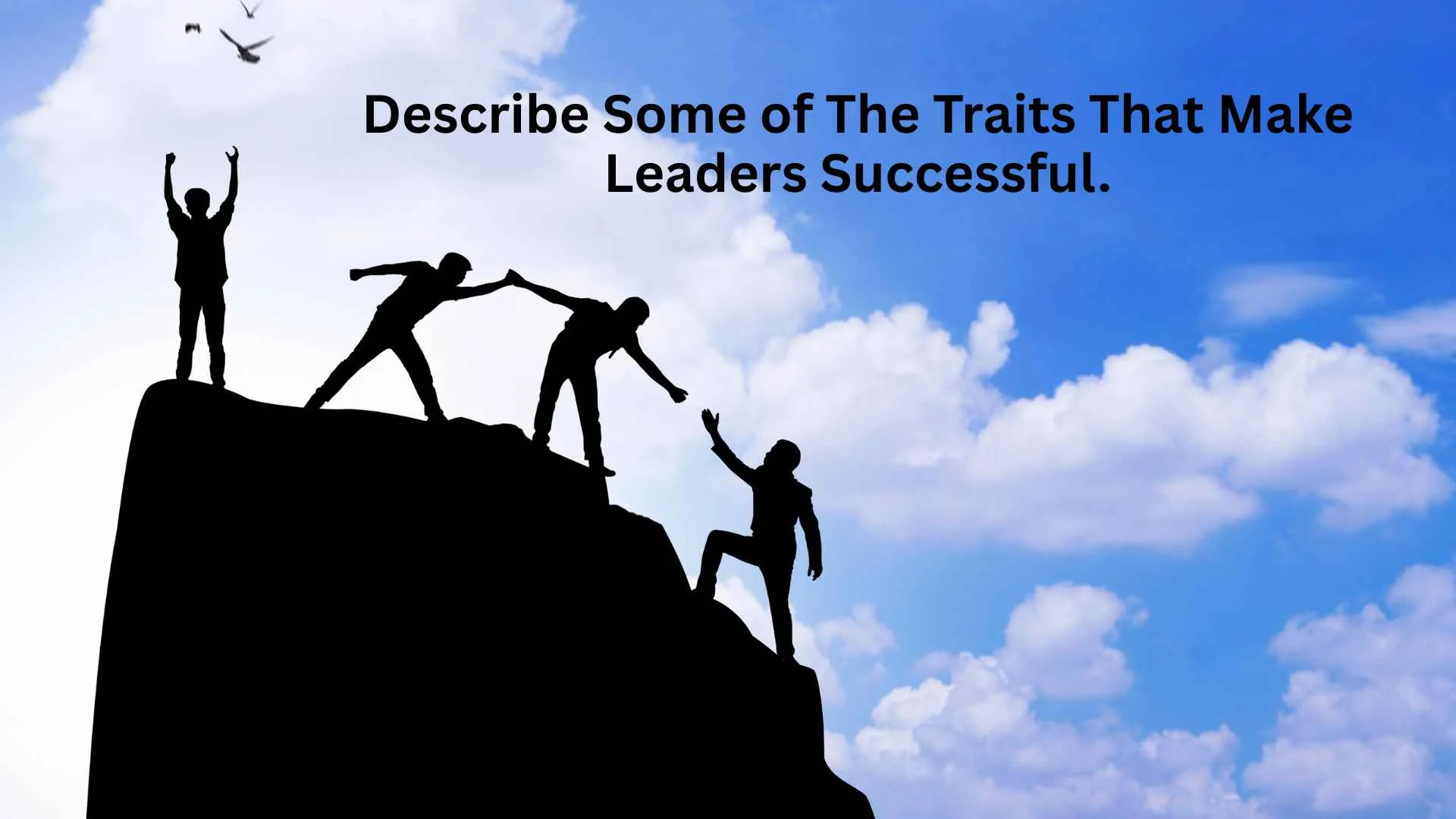
Successful leaders are not defined only by their position, title, or authority. The strongest leaders succeed because they develop a combination of personal qualities, behaviors, and skills that help them guide others, solve problems, and create meaningful results.
Some of the most important traits that make leaders successful include vision, integrity, communication skills, emotional intelligence, adaptability, accountability, confidence, empathy, and resilience.
Great leaders understand people, make thoughtful decisions, and inspire others to work toward shared goals. Whether in business, education, sports, communities, or everyday life, effective leadership depends on how a person influences, supports, and motivates others.
This guide explains the key traits of successful leaders, why these qualities matter, and how anyone can develop stronger leadership abilities.
Describe Some of the Traits That Make Leaders Successful: (Quick Answer)
Successful leaders have traits such as strong communication, integrity, emotional intelligence, vision, adaptability, accountability, confidence, empathy, and decision-making skills. These qualities help leaders build trust, motivate teams, handle challenges, and achieve long-term success.
What Are Successful Leadership Traits?
Understanding the Meaning of Leadership Traits
Leadership traits are the personal qualities, habits, and behaviors that allow individuals to guide and influence others effectively. These traits shape how leaders communicate, make decisions, solve problems, and respond to challenges.
A successful leader does not rely only on authority. Instead, they earn respect through their actions, consistency, and ability to support others. Leadership traits influence how people respond to a leader and whether a team feels motivated, valued, and confident.
For example, a manager who listens carefully to employees, accepts responsibility for mistakes, and encourages new ideas demonstrates stronger leadership traits than someone who only gives orders.
Why Leadership Traits Matter in Real-World Success
Leadership traits matter because they directly affect team performance, workplace culture, and organizational growth. Leaders often face difficult situations that require patience, confidence, and good judgment.
Strong leadership traits help people:
- Build trust with others
- Create clear goals and direction
- Handle pressure effectively
- Encourage teamwork
- Make better decisions
- Solve conflicts peacefully
- Inspire positive change
A leader with strong character can influence people even without having the highest position or greatest authority.
Trait Overview: Qualities That Make Leaders Successful

| Leadership Trait | Why It Matters | Example Behavior |
| Vision | Gives people direction and purpose | Creating clear future goals |
| Integrity | Builds trust and respect | Keeping promises and acting honestly |
| Communication | Improves teamwork | Explaining ideas clearly |
| Emotional Intelligence | Helps understand people | Managing emotions effectively |
| Confidence | Encourages trust | Making decisions with certainty |
| Adaptability | Helps handle change | Adjusting strategies when needed |
| Accountability | Builds responsibility | Accepting mistakes and improving |
| Empathy | Strengthens relationships | Understanding team members’ needs |
| Resilience | Helps overcome challenges | Continuing after setbacks |
| Decision-Making | Creates progress | Choosing effective solutions |
The Most Important Traits of Successful Leaders
Vision and Strategic Thinking
One of the most important traits of successful leaders is having a clear vision. Vision allows leaders to understand where they want to go and how they can help others reach that destination.
A visionary leader does not focus only on immediate problems. They think about long-term opportunities, future challenges, and sustainable growth.
For example, a business leader with vision may recognize changing customer needs before competitors and create strategies to adapt early.
Successful leaders use strategic thinking by:
- Setting realistic goals
- Understanding risks
- Planning for the future
- Identifying opportunities
- Helping others understand the bigger picture
Without vision, teams may work hard but lack a clear direction.
Integrity and Strong Ethics
Integrity is the foundation of trustworthy leadership. Leaders with integrity behave honestly, follow their values, and make fair decisions even when facing pressure.
People are more likely to follow leaders they trust. A leader who says one thing but does another can quickly lose credibility.
Integrity in leadership includes:
- Honesty in communication
- Fair treatment of others
- Taking responsibility for actions
- Keeping commitments
- Making ethical choices
For example, a company leader who admits a mistake and works to fix it demonstrates accountability and earns respect.
Effective Communication Skills
Communication is one of the strongest indicators of successful leadership. Great leaders can explain ideas clearly, listen actively, and create open conversations.
Strong communication helps leaders:
- Reduce confusion
- Build stronger relationships
- Resolve conflicts
- Share expectations
- Motivate teams
Good leaders do not only speak well; they also listen carefully. They understand that valuable ideas can come from every level of an organization.
A leader with strong communication skills:
- Provides clear instructions
- Gives helpful feedback
- Encourages questions
- Adjusts their message for different audiences
Emotional Intelligence
Emotional intelligence is the ability to understand and manage emotions, both your own and those of others. It is one of the most valuable traits in modern leadership.
Leaders with emotional intelligence can recognize when employees feel stressed, confused, or unmotivated. Instead of reacting quickly, they respond thoughtfully.
Emotional intelligence includes:
- Self-awareness
- Self-control
- Empathy
- Social skills
- Relationship management
A leader who understands emotions can create a healthier and more productive environment.
Confidence and Self-Belief
Successful leaders need confidence because people often look to leaders for guidance during uncertain situations.
Confidence helps leaders:
- Make difficult decisions
- Communicate clearly
- Take calculated risks
- Encourage others
However, effective confidence is different from arrogance. Confident leaders remain open to feedback and understand that they do not have every answer.
A confident leader says, “I believe we can solve this problem,” while also listening to ideas from others.
Adaptability and Willingness to Change
The ability to adapt is essential because environments constantly change. Successful leaders adjust their strategies when circumstances shift.
Adaptable leaders:
- Accept new ideas
- Learn from mistakes
- Respond to unexpected challenges
- Encourage innovation
For example, many businesses had to quickly change their methods during major technological changes. Leaders who adapted successfully helped their teams continue moving forward.
Decision Making Ability
Leaders regularly make decisions that affect people, projects, and organizations. Strong decision-making requires analysis, confidence, and responsibility.
Good leaders:
- Gather relevant information
- Consider different viewpoints
- Evaluate possible outcomes
- Take action at the right time
Avoiding decisions can create uncertainty. Successful leaders understand that imperfect decisions are sometimes better than no decision at all.
Accountability and Responsibility
Accountability means accepting responsibility for actions, choices, and results. Great leaders do not blame others when problems occur.
Accountable leaders:
- Admit mistakes
- Learn from failures
- Support their teams
- Focus on solutions
When leaders take responsibility, they create a culture where others feel safe doing the same.
Empathy and Understanding Others
Empathy allows leaders to understand the feelings, experiences, and perspectives of other people.
Empathetic leaders create stronger relationships because they show that they genuinely care.
They practice empathy by:
- Listening without interrupting
- Understanding different viewpoints
- Supporting team members
- Recognizing individual strengths
A workplace led by an empathetic person often has better cooperation and trust.
Resilience and Persistence
Leadership often involves challenges, criticism, and unexpected problems. Resilience helps leaders continue working toward goals despite difficulties.
Resilient leaders:
- Stay focused during setbacks
- Learn from failures
- Maintain motivation
- Encourage others during difficult times
A successful leader does not avoid challenges. They develop the ability to handle them effectively.
Positive Leadership Traits That Inspire Teams

Building Trust Through Honesty
Trust is one of the most valuable resources a leader can create. Teams perform better when they believe their leader is reliable and fair.
Leaders build trust by:
- Communicating openly
- Keeping commitments
- Treating people equally
- Showing consistency
Encouraging Growth and Learning
Great leaders help others improve. They do not simply demand results; they invest in people’s development.
They encourage growth through:
- Mentoring
- Training opportunities
- Constructive feedback
- Recognition of achievements
A leader who develops others creates stronger future leaders.
Creating a Positive Work Environment
Successful leaders understand that people perform better when they feel respected and supported.
A positive environment includes:
- Mutual respect
- Collaboration
- Recognition
- Psychological safety
- Clear expectations
Strong leaders create conditions where people can do their best work.
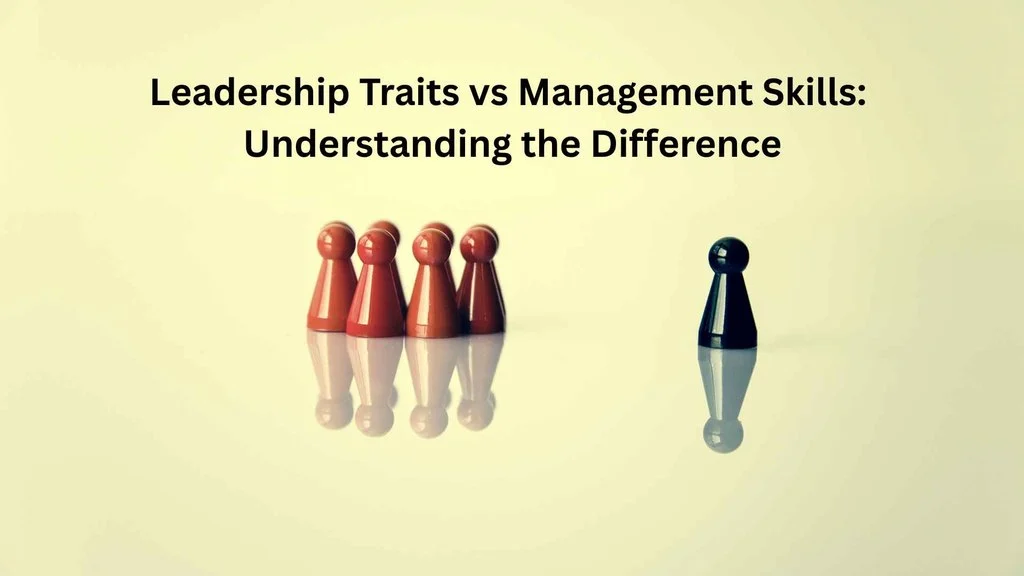
Leadership Traits vs Management Skills: Understanding the Difference
| Leadership Traits | Management Skills |
| Focus on inspiring people | Focus on organizing tasks |
| Builds relationships | Creates processes |
| Encourages innovation | Maintains systems |
| Provides vision | Handles daily operations |
| Influences through trust | Controls through structure |
Leadership and management are connected but not identical. A person can manage tasks effectively while still needing to develop stronger leadership traits.
Internal Traits vs External Leadership Behaviors
| Internal Traits | External Behaviors |
| Confidence | Clear communication |
| Integrity | Honest actions |
| Emotional control | Calm responses |
| Vision | Goal setting |
| Empathy | Supporting others |
Internal qualities shape how leaders think, while external behaviors show how those qualities appear in action.
How Successful Leaders Apply These Traits in Daily Life
Leadership Examples in Business
Business leaders use these traits to build companies, manage employees, and make strategic decisions.
Examples:
- A CEO creating a clear company vision
- A team leader resolving workplace conflicts
- A manager encouraging employee development
Leadership Examples in Education
Teachers and school administrators demonstrate leadership by guiding students and creating supportive learning environments.
Examples:
- Encouraging student confidence
- Supporting innovation in classrooms
- Building teamwork among educators
Leadership Examples in Sports and Community Life
Coaches, team captains, and community organizers use leadership traits to motivate people toward shared goals.
Examples:
- A coach building team confidence
- A captain encouraging cooperation
- A community leader organizing positive change
Common Misconceptions About Leadership Traits
Myth: Great Leaders Are Born, Not Made
Leadership ability is not only a natural talent. Many leadership traits can be developed through learning, practice, and experience.
Myth: Leaders Must Always Be Strict
Effective leaders balance authority with understanding. Being respectful and supportive often creates stronger results than being controlling.
Myth: Leadership Means Having Power Over Others
Leadership is about influence, responsibility, and service. The best leaders help others succeed rather than simply giving commands.
Frequently Asked Questions About Successful Leadership Traits
What are the most important traits of a successful leader?
The most important leadership traits include integrity, communication skills, emotional intelligence, vision, adaptability, accountability, and empathy.
Can leadership traits be learned?
Yes. Many leadership qualities can be improved through education, practice, feedback, and real-world experience.
Why is communication important for leaders?
Communication helps leaders share goals, solve problems, build trust, and create stronger relationships with their teams.
How does emotional intelligence improve leadership?
Emotional intelligence helps leaders understand people, manage conflicts, and create positive relationships.
What makes a leader different from a manager?
Managers focus mainly on planning and organizing work, while leaders focus on inspiring people and creating direction.
Which leadership trait builds the most trust?
Integrity is often considered the foundation of trust because people respect leaders who act honestly and consistently.
Key Takeaways
- Successful leaders combine personal qualities with effective behaviors.
- Vision gives leaders direction and purpose.
- Integrity creates trust and respect.
- Communication strengthens teamwork.
- Emotional intelligence improves relationships.
- Adaptability helps leaders handle change.
- Accountability encourages responsibility.
- Leadership traits can be developed through practice and learning.
Conclusion
The traits that make leaders successful are not limited to authority or intelligence. Great leaders succeed because they combine vision, integrity, communication, emotional intelligence, confidence, adaptability, and empathy to positively influence others.
Successful leadership is a continuous process of learning, improving, and supporting people. Anyone can strengthen their leadership abilities by practicing these traits in daily life, whether at work, school, or within their community.
Understanding and developing strong leadership traits helps individuals become better decision-makers, stronger communicators, and more effective guides for others.

I’m Alistair Pembroke, a British author interested in the enduring patterns that define human character. My work explores personality traits, behavioural tendencies, emotional qualities, and social characteristics. I translate complex ideas into clear insights, helping readers examine how traits develop, interact, and influence the ways individuals perceive themselves and others.
Books:
- The Psychology of Human Traits
- Patterns of Character and Personality
 Sebastian Langford